Powering a better, cleaner
future for Africa and the world
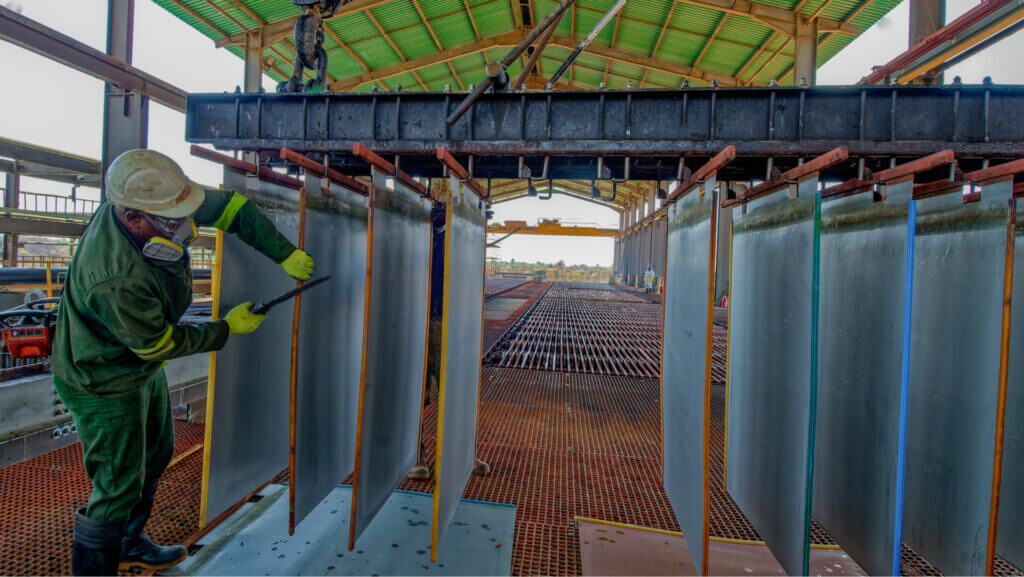
Chemaf is a purpose driven mineral exploration, development and production company located in the DRC. Chemaf is contributing to the global transition to clean energy through the production of critical future facing metals. In its over 20-year operating history in the DRC, Chemaf has delivered significant benefits to the local communities in which it operates and to the DRC at large.
Partnering investors and
communities for growth and prosperity
Chemaf is a purpose driven mineral exploration, development and production company located in the DRC. Chemaf is contributing to the global transition to clean energy through the production of critical future facing metals. In its over 20-year operating history in the DRC, Chemaf has delivered significant benefits to the local communities in which it operates and to the DRC at large.
High quality output
from vast mineral reserves
Chemaf is a purpose driven mineral exploration, development and production company located in the DRC. Chemaf is contributing to the global transition to clean energy through the production of critical future facing metals. In its over 20-year operating history in the DRC, Chemaf has delivered significant benefits to the local communities in which it operates and to the DRC at large.
Safety first focus
Chemaf is a purpose driven mineral exploration, development and production company located in the DRC. Chemaf is contributing to the global transition to clean energy through the production of critical future facing metals. In its over 20-year operating history in the DRC, Chemaf has delivered significant benefits to the local communities in which it operates and to the DRC at large.
People, Planet and Prosperity
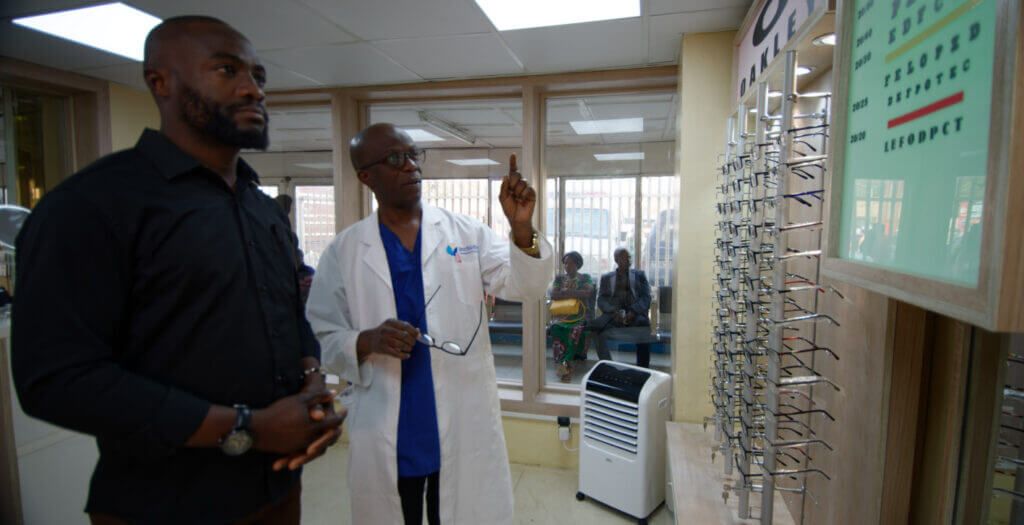
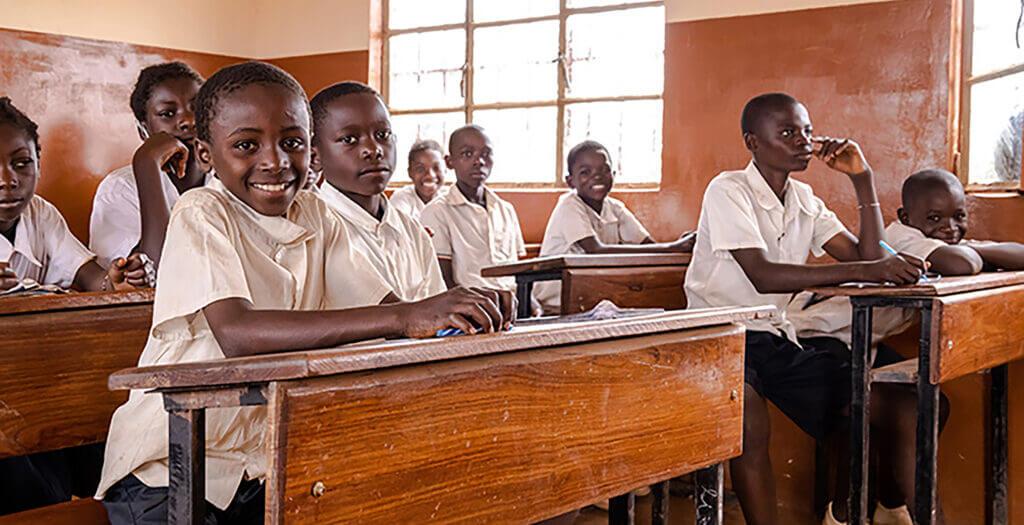
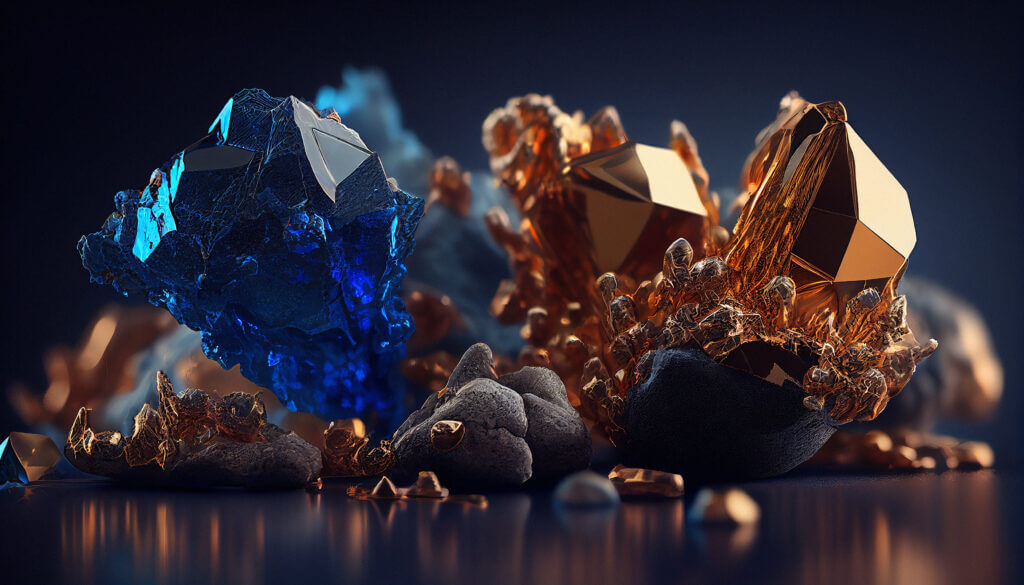
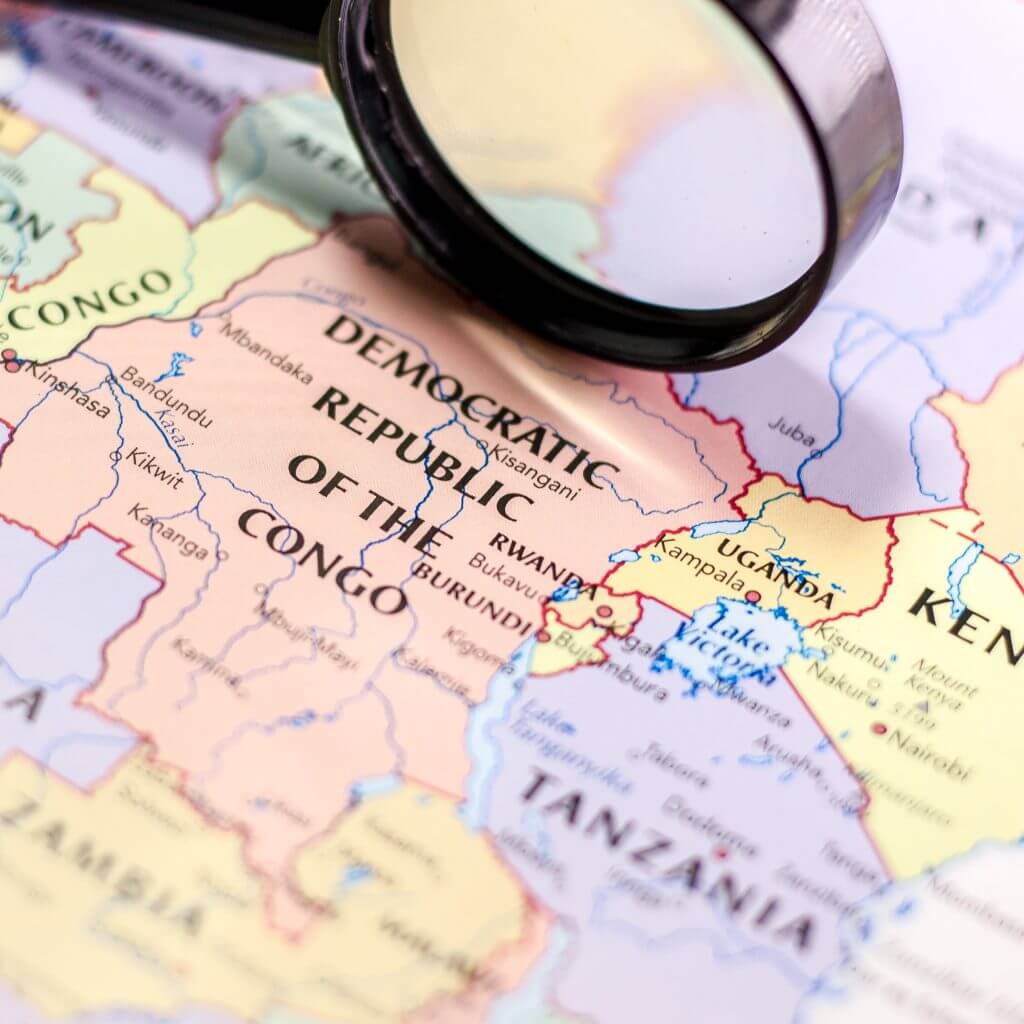
"Operating in one of the world’s most prospective and under-explored mining regions, Chemaf operates ethically, responsibly and with the interests of the local community, environment and the DRC at large at heart."
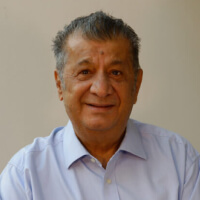
Chemaf Chairman and MD Shiraz Virji
Since inception, Chemaf’s leadership motto has been to “Build Africa”.
Global Best Practise
Chemaf is Proudly
ISO 14001:2015 Certified
Chemaf is Proudly
ISO 45001:2018 Certified
Chemaf is Proudly
ISO 9001:2015 Certified
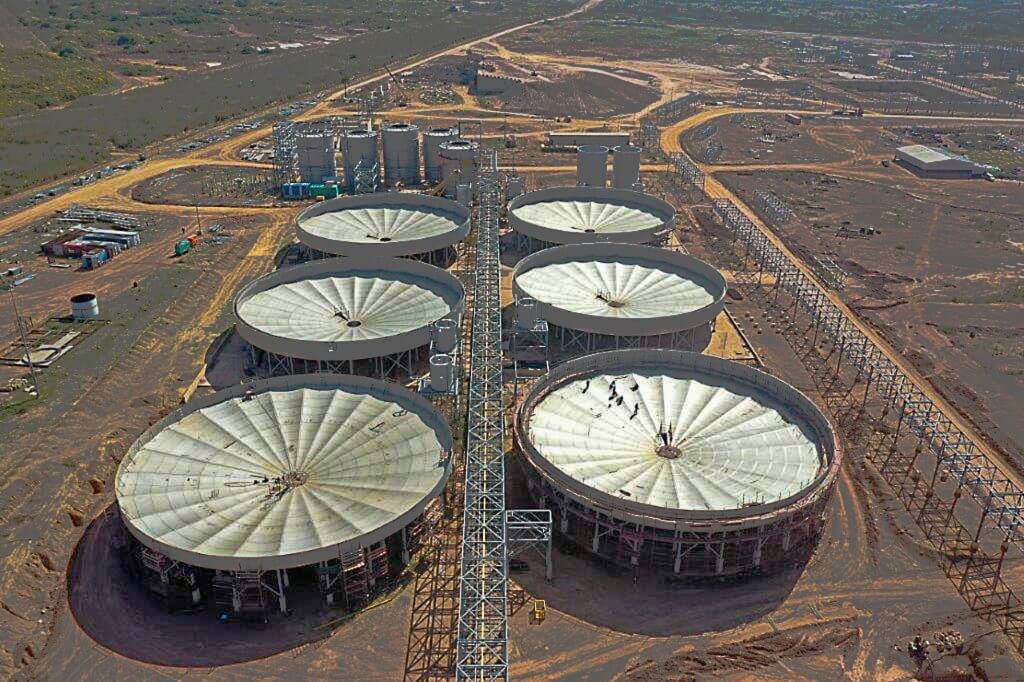
Etoile Operations and Expansion Project
Established operation which has delivered over 275,000t of copper and 50,000t of cobalt hydroxide over last 20 years; advanced expansion project underway